Is Liquid I.V. Good for You? Benefits, Side Effects, Ingredients, and Who Should Avoid It

Liquid I.V. can be a useful hydration supplement when you have lost a meaningful amount of fluid and electrolytes through heavy sweating, heat, vomiting, or diarrhea. However, it is not automatically healthier than water, and it is not necessary for most people during an ordinary day.
The regular Hydration Multiplier contains a substantial amount of sodium and added sugar, while sugar-free versions have a different ingredient profile. Whether Liquid I.V. is “good for you” depends on the specific product, how often you use it, your activity level, and your health needs.
IV Hub delivers high-quality wellness IV therapy to help you feel refreshed, rehydrated, and revitalized. Book your appointment today.
What Is Liquid I.V.?
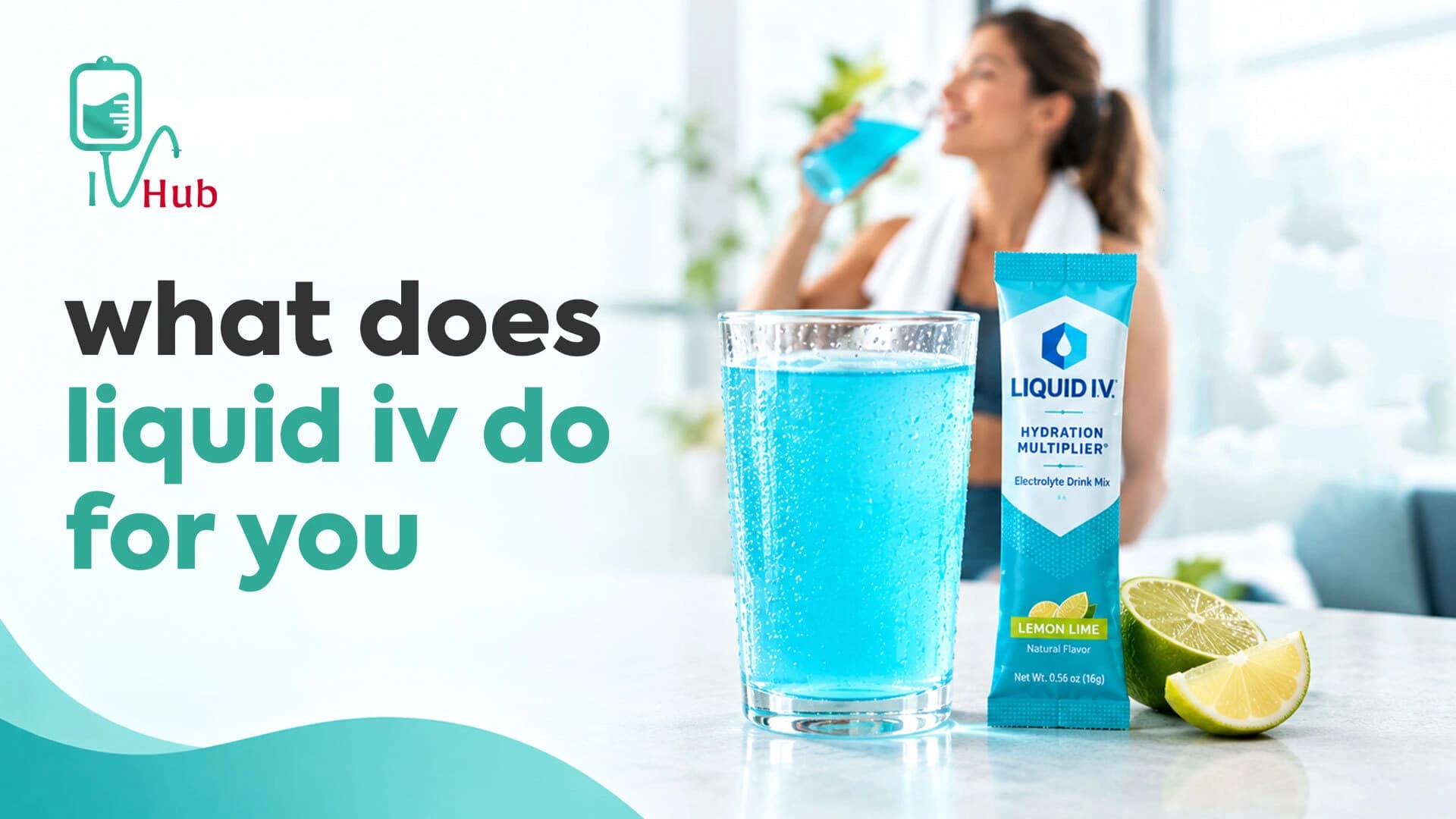
Liquid I.V. is a powdered drink mix that you stir into water. Its main product line, Hydration Multiplier, is designed to provide water along with electrolytes and carbohydrates. The company says its formula uses glucose and sodium to support fluid absorption and retention, and it also includes vitamins such as B3, B5, B6, B12, and vitamin C.
The product is not the same as an intravenous fluid, despite its name. You drink it; nothing is delivered through a vein. It is closer to a flavored electrolyte drink or hydration mix. (If you are looking for direct, fast-acting cellular hydration delivered intravenously, an Ultimate Hydration Drip is a more effective option.) Some versions contain sugar, while newer sugar-free products use ingredients such as allulose, stevia, potassium citrate, sodium citrate, and amino acids. Because formulas change by flavor and product line, the package label matters more than the brand name alone.
What Ingredients Are in Liquid I.V.?
The regular Lemon Lime Hydration Multiplier contains approximately 45 calories, 11 grams of carbohydrate, about 10–11 grams of sugar, 500 milligrams of sodium, and potassium per stick, according to current nutrition listings for the product. Exact amounts can vary by flavor, country, and reformulation, so check the label before using it
The most important ingredients are:
- Sodium: Helps replace sodium lost in sweat and supports fluid balance. It also accounts for most of the product’s electrolyte content.
- Glucose or other carbohydrates: Glucose can help transport sodium and water across the small intestine. This is one reason properly formulated oral rehydration solutions work.
- Potassium: Supports normal muscle and nerve function, although the amount in a commercial drink may not be enough to treat a potassium deficiency.
- Vitamins: Some formulas contain B vitamins and vitamin C. These nutrients may be useful as part of the overall diet, but adding vitamins does not make the drink a substitute for food or a treatment for illness.
- Flavoring and sweeteners: Regular versions use sugar, while sugar-free versions may use allulose, stevia, or other sweetening ingredients.
It is also important to distinguish Liquid I.V. from a medically formulated oral rehydration solution, or ORS. ORS has a carefully balanced concentration of glucose and electrolytes and is used for dehydration caused by illnesses such as gastroenteritis. A sports-style hydration mix may help with everyday fluid replacement, but it should not automatically be treated as a medical ORS.
What Are the Potential Benefits of Liquid I.V.?
Liquid I.V. may help you rehydrate more effectively than water alone when you are losing both fluid and sodium. That can happen during prolonged, intense exercise, long periods in hot weather, heavy sweating, or some episodes of vomiting and diarrhea. In those situations, the sodium and carbohydrate combination may make a flavored electrolyte drink more useful than plain water.
Research on oral rehydration explains why glucose and sodium are paired: sodium absorption in the small intestine is linked to glucose absorption, and water follows these absorbed particles. Standard oral rehydration therapy is especially important for fluid loss from diarrhea and gastroenteritis
Other possible advantages include:
- It may be easier to drink when you dislike plain water.
- It is portable and convenient for travel, outdoor work, and endurance activities.
- It can replace some sodium lost through sweat.
- It may be more appealing during mild illness when food and plain water are difficult to tolerate.
- Sugar-free varieties may provide electrolytes without the calories and added sugar found in the original formula.
These benefits are situational. Liquid I.V. does not “detox” the body, cure a hangover, provide a guaranteed energy boost, or make everyone healthier simply because it contains vitamins. Its main potential benefit is helping provide fluid and electrolytes when your body needs them.
Is Liquid I.V. Better Than Water?
For routine hydration, water is usually the better default because it contains no calories, no added sugar, and no extra sodium. The Centers for Disease Control and Prevention notes that water prevents dehydration and supports normal body functions, while sugary drinks can add calories with limited nutritional value
Liquid I.V. may be more appropriate than water when you have a clear reason to replace electrolytes. Examples include:
- Exercise lasting longer than about an hour, especially in heat or humidity
- Heavy sweating during outdoor work or training
- A long hike, endurance event, or physically demanding shift
- Fluid loss from vomiting or diarrhea, when an appropriate oral rehydration product may be needed
- Travel or illness that makes it difficult to eat and drink normally
For a short, light workout or a normal day at work, water and regular meals are generally enough. Drinking electrolyte products unnecessarily can simply add sugar and sodium to your diet.
What Are the Side Effects of Liquid I.V.?
The most common concern with regular Liquid I.V. is that one serving can contribute a significant amount of sugar and sodium. A stick with about 500 milligrams of sodium represents roughly one-fifth to one-quarter of the commonly used daily sodium limit, depending on the labeling standard. The American Heart Association recommends no more than 2,300 milligrams of sodium per day and an ideal limit of 1,500 milligrams for most adults
Potential drawbacks include:
- Added sugar: Regular varieties may add around 10 –11 grams of sugar per serving. Frequent use can make it harder to manage total sugar and calorie intake.
- Excess sodium: This can be a problem if you already eat a high-sodium diet or have been told to restrict sodium.
- Digestive symptoms: Some people may experience bloating, nausea, loose stools, or stomach discomfort, particularly with large amounts or sugar-free formulas containing certain sweeteners.
- Unnecessary vitamin intake: More vitamins are not always better, especially when you already take supplements.
- False reassurance: A hydration mix cannot replace medical care for severe dehydration, heat illness, uncontrolled vomiting, or persistent diarrhea.
Do not assume that “sugar-free” means risk-free. Sugar-free products may be a better choice for someone limiting sugar, but they still contain sodium and may contain potassium or sweeteners that do not suit everyone.
Can You Drink Liquid I.V. Every Day?
Some healthy adults can drink a serving occasionally or even regularly without a problem, but most people do not need Liquid I.V. every day. If you use it daily, count its sodium and sugar as part of your overall diet and follow the serving directions rather than adding multiple packets automatically.
A practical approach is to reserve the regular formula for times when you have actually lost fluid and electrolytes. For everyday drinking, choose water, sparkling water, unsweetened tea, or another low-sugar beverage. If you prefer Liquid I.V. for taste, a sugar-free version may reduce sugar intake, but you should still review its sodium, potassium, and sweetener content.
Who Should Avoid Liquid I.V. or Ask a Doctor First?
People with certain medical conditions should not make electrolyte drinks a routine habit without professional advice. Ask a doctor, pharmacist, or registered dietitian first if you have:
- High blood pressure or a sodium-restricted diet
- Chronic kidney disease or reduced kidney function
- Heart failure or a condition involving fluid restriction
- Diabetes or difficulty controlling blood glucose
- A history of abnormal potassium levels
- Liver disease or another condition that affects fluid balance
- A prescription that changes sodium, potassium, or fluid levels
People with kidney disease deserve particular caution because impaired kidneys may not remove potassium and other electrolytes normally. The National Kidney Foundation notes that people with kidney disease may need to monitor potassium because levels can rise when the kidneys cannot remove extra potassium effectively.
Children, pregnant people, and older adults should also use hydration products according to advice from a healthcare professional when they are sick or significantly dehydrated. For children with diarrhea or vomiting, use a pediatric oral rehydration solution recommended by a clinician rather than assuming an adult sports drink is appropriate.
Is Liquid I.V. Good for Hangovers or Illness?
Liquid I.V. may help replace some fluid and sodium after alcohol use, but it does not cure a hangover or remove alcohol from the body. Rest, time, food as tolerated, and ordinary hydration still matter. Avoid taking more than directed simply because you feel unwell.
For vomiting or diarrhea, a properly formulated oral rehydration solution is generally more appropriate than a standard sports-style drink. Seek medical care for confusion, fainting, very little urination, blood in vomit or stool, severe weakness, inability to keep fluids down, or symptoms that are worsening. Severe dehydration can require urgent treatment.
How to Use Liquid I.V. More Wisely
If you choose to use it, these habits can reduce unnecessary intake:
- Read the exact label. Compare sugar, sodium, potassium, calories, and serving size for the flavor you bought.
- Use one serving as directed. More packets do not automatically mean better hydration.
- Match the product to the situation. Use electrolytes for meaningful fluid loss, not as a compulsory replacement for water.
- Consider sugar-free carefully. It may help reduce sugar, but check the sodium and sweeteners.
- Do not use it to treat serious illness. Persistent vomiting, diarrhea, heat illness, or severe dehydration needs medical guidance.
Final Verdict:
Liquid I.V. can be good for you in the right situation, particularly when prolonged exercise, heat, sweating, or illness causes you to lose both water and electrolytes. It is not essential for ordinary hydration, and the regular formula’s sodium and added sugar make daily use less suitable for many people.
The most honest answer is this: Liquid I.V. is a convenient electrolyte drink, not a miracle health product. Use it selectively, compare the label with your health needs, and choose plain water for routine hydration unless you have a clear reason to replace electrolytes. If you have kidney, heart, blood-pressure, blood-sugar, or fluid-balance concerns, ask a healthcare professional before making it part of your routine.
Choose IV Hub for professional, personalized wellness IV therapy that helps you feel refreshed and revitalized, book your appointment today!